- Best Platform to Buy Cryptocurrency in 2025: The Most Trusted and Secure Exchanges for Beginners and Experts
- Best Crypto Wallets in 2025: The Safest and Most Reliable Wallets for Storing Your Digital Assets

- Top Crypto Companies in 2025: The Most Influential Blockchain and Digital Asset Leaders Shaping the Future of Finance

- Best Crypto Tax Software in 2025: Top Tools for Accurate Reporting, IRS Compliance, and Easy Portfolio Tracking

- Crypto Exchange Reviews USA 2025: The Most Trusted and Secure Platforms for American Traders

Cryptocurrency has evolved from a niche digital experiment into a trillion-dollar asset class that influences global finance, technology, and even government policy. Today, millions of Americans use crypto for investing, trading, payments, and long-term wealth building.
This comprehensive guide explains what cryptocurrency is, how it works, why it matters, and how U.S. investors can get started safely.
What Is Cryptocurrency?
Cryptocurrency, often called crypto, is a digital or virtual currency secured by blockchain technology.
Unlike traditional money issued by governments (USD, EUR, INR), crypto is:
- Decentralized (no single authority controls it)
- Borderless
- Fast and transparent
- Protected by cryptography
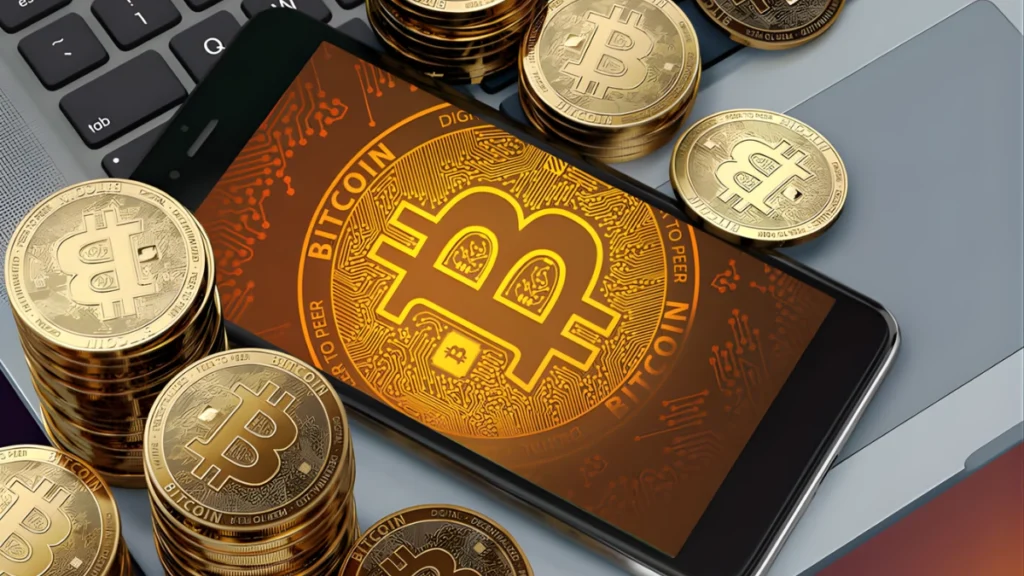
The first and most famous crypto is Bitcoin (BTC), created in 2009 by the anonymous developer Satoshi Nakamoto.
🔗 How Cryptocurrency Works (Simple Explanation)
Crypto works on blockchain, a public digital ledger that records every transaction securely and transparently.
✔️ Key Components
- Blockchain – A database shared across thousands of computers.
- Nodes – Computers that validate transactions.
- Wallets – Apps or devices that store your crypto.
- Keys – Private (secret) and public (your address).
- Mining/Staking – Methods of verifying transactions and earning rewards.
This system makes crypto nearly impossible to hack, manipulate, or duplicate.
💼 Types of Cryptocurrencies
There are more than 24,000 cryptocurrencies worldwide. The most important categories include:
1️⃣ Bitcoin (BTC)
The original and most valuable cryptocurrency.
Known as “digital gold.”
2️⃣ Altcoins (ETH, SOL, ADA, XRP, AVAX, BNB)
Alternatives to Bitcoin with different use cases like smart contracts, DeFi, or fast payments.
3️⃣ Stablecoins (USDT, USDC, DAI)
Cryptos pegged to stable assets (usually USD).
Used for payments, trading, lending, and DeFi.
4️⃣ Utility Tokens (Chainlink, Polygon, Filecoin)
Power decentralized apps (dApps), crypto gaming, and Web3 tools.
5️⃣ Security Tokens & Tokenized Assets
Digital versions of stocks, bonds, or real estate.
📈 Why Cryptocurrency Is Popular in the USA
Americans are adopting cryptocurrency faster than most countries. Here’s why:
🚀 1. High Investment Returns
Bitcoin surged from $0.09 in 2010 to over $70,000 in 2025.
💳 2. Convenient & Borderless Payments
Crypto enables instant global transfers with minimal fees.
🔒 3. Increased Financial Control
Users own their funds without depending on banks.
🏦 4. Growing Institutional Adoption
U.S. companies investing heavily in crypto:
- BlackRock
- MicroStrategy
- Visa & Mastercard
- PayPal
- Fidelity
📜 5. Regulatory Clarity
The U.S. government now provides clearer rules for crypto tax filing, ETFs, and compliance.
🛠️ How to Buy Cryptocurrency in the USA
⭐ Step 1: Choose a Regulated U.S. Crypto Exchange
Top platforms include:
- Coinbase
- Kraken
- Gemini
- Crypto.com
- Robinhood Crypto
⭐ Step 2: Complete KYC Verification
Upload ID, confirm address, and verify identity.
⭐ Step 3: Deposit USD
Via bank transfer, debit card, or ACH.
⭐ Step 4: Buy Your Preferred Cryptocurrency
Start with small amounts and diversify.
⭐ Step 5: Transfer to a Secure Wallet
Hardware wallets like Ledger or Trezor offer maximum safety.
🔐 How to Store Crypto Safely (Avoid Hacks)
Crypto can be extremely secure only if you protect your keys.
🔒 Hot Wallets (apps)
Easy to use but less secure.
Examples: Trust Wallet, Coinbase Wallet, MetaMask.
🧊 Cold Wallets (hardware)
Offline, hack-proof, and ideal for large amounts.
Examples: Ledger Nano X, Trezor Model T.
⚠️ Crucial Safety Tips
- NEVER share your private key.
- Enable two-factor authentication (2FA).
- Avoid storing large amounts on exchanges.
- Beware of phishing scams.
🧾 Crypto Taxes in the USA (IRS Rules 2025)
Crypto is fully taxable in the United States.
The IRS treats cryptocurrency as property, not currency.
You must pay taxes on:
✔️ Selling crypto
✔️ Trading one crypto for another
✔️ Getting paid in crypto
✔️ Mining/staking rewards
You do not pay taxes on:
✔️ Buying and holding crypto
✔️ Transferring between your own wallets
Tools to simplify filing:
- TurboTax Crypto
- CoinTracker
- Koinly
- TokenTax
🏆 Top Cryptocurrencies to Watch in 2025
1. Bitcoin (BTC) – Digital gold
2. Ethereum (ETH) – Smart contracts leader
3. Solana (SOL) – Fast, scalable blockchain
4. XRP – Bank-focused payments
5. Chainlink (LINK) – Web3 data infrastructure
6. Cardano (ADA) – Research-driven blockchain
7. Polygon (MATIC) – Ethereum scaling solution
Risks of Cryptocurrency
Crypto is exciting — but risky.
Main risks include:
- High price volatility
- Exchange hacks
- Rug pulls & scam tokens
- Loss of private keys
- Regulatory changes
Always invest responsibly and avoid “get-rich-quick” schemes.
Should You Invest in Cryptocurrency?
Crypto can be a profitable long-term investment if you:
- Understand the risks
- Diversify across assets
- Store crypto securely
- Follow U.S. tax laws
- Avoid emotional trading
- Only invest money you can afford to lose
Conclusion
Cryptocurrency is reshaping the global financial system and empowering millions of investors in the United States.
Whether you’re buying Bitcoin for the first time or exploring blockchain technology, crypto offers new opportunities, faster payments, decentralized control, and a future built on innovation.
If you invest wisely and securely, cryptocurrency can become an important part of your financial journey in 2025 and beyond.